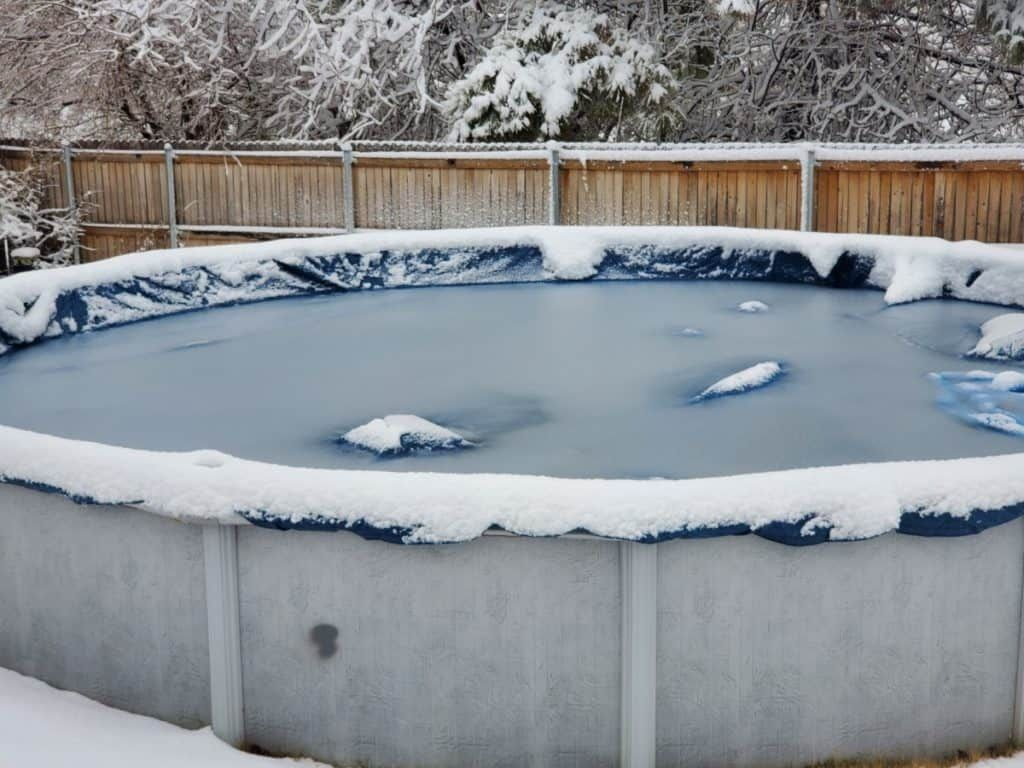
By late September, the air across much of Canada starts to carry a chill, and pool season winds down. For homeowners, that means it’s time to think about winterizing. Closing your pool properly is more than a seasonal chore – it’s one of the most important steps you can take to protect your investment. Done right, it prevents costly freeze damage, keeps your water cleaner, and makes spring opening a breeze.
This 2025 guide breaks down the process of closing your pool for a Canadian winter, step by step.
What Does It Mean to Winterize a Pool?
“Closing” a pool is more than throwing a cover over the water. It’s a systematic process that prepares every part of your pool for freezing temperatures. A proper closing involves:
- Deep cleaning the pool one last time.
- Balancing water chemistry.
- Adding winterizing chemicals to prevent algae and stains.
- Lowering the water level below the skimmer.
- Draining and protecting equipment.
- Blowing out plumbing lines.
- Securing a durable winter cover.
Think of it as putting your pool into safe hibernation.
Why Proper Closing Matters
Closing your pool thoroughly has long-term benefits:
- Prevent Freeze Damage – Any leftover water in pipes or equipment will freeze, expand, and crack. Replacing a pump, filter, or underground pipe can cost thousands. Natural Resources Canada explains how cold air infiltration and freezing can damage home systems – pools are no exception, making plumbing blow-outs a must.
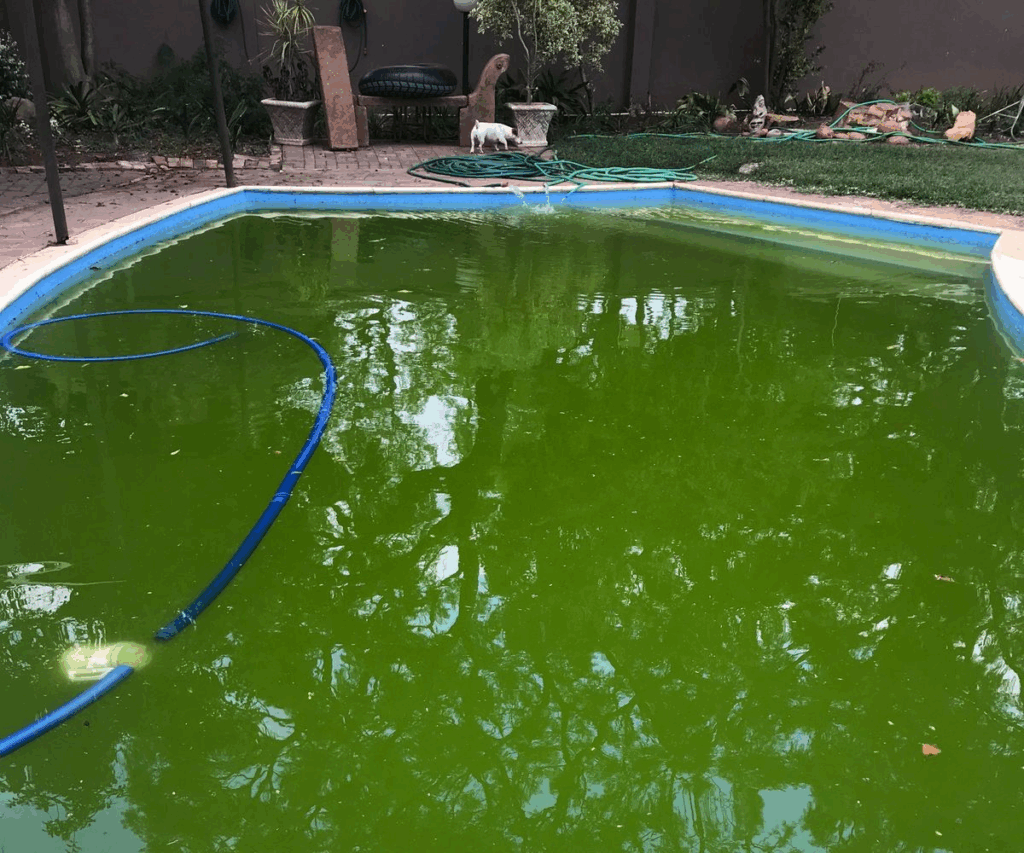
- Simplify Spring Opening – A well-closed pool will be much clearer when you uncover it. Skip the work, and you may be facing a green swamp that takes weeks to fix.
- Protect Surfaces and Equipment – Balanced water and winter chemicals protect liners, plaster, and fittings from staining or scaling. According to Health Canada’s Recreational Water and Health guidance, proper maintenance of pool water quality is essential for both health and equipment protection.
- Add Safety – A secure winter cover prevents people, pets, or wildlife from accidentally falling in.
Comparing Key Winterizing Chemicals
Chemicals are your first line of defence for keeping water clear over the winter.
| Chemical | Purpose | When to Add | Benefit |
| Pool Shock | Kills bacteria and algae before closing | Several days before covering, with pump running | Starts winter with sanitized water |
| Stain & Scale Preventer | Prevents mineral stains and scaling | After balancing, before shocking | Protects liners and plaster |
| Winter Algaecide | Prevents algae growth during dormancy | Final step before covering | Keeps pool from turning green |
Step-by-Step: How to Close Your Pool
It’s best to close your pool when the water temperature is consistently below 18°C (65°F). Cooler water discourages algae growth. The World Meteorological Organization notes that Canada routinely faces early-season freezes and extreme cold events, reinforcing the need to close pools before frost arrives.
Step 1: Clean Thoroughly
Skim, vacuum, and brush all surfaces. Remove every bit of debris – anything left behind will rot and feed algae.
Step 2: Balance the Water
A week before closing, adjust:
- pH: 7.4-7.6
- Alkalinity: 80-120 ppm
- Calcium Hardness: 200-400 ppm
Proper balance helps prevent staining and scaling.
Step 3: Add Chemicals
Shock first, then wait until chlorine returns to 1-3 ppm. Add stain/scale preventer, followed by algaecide.
Step 4: Lower Water Level
Drain until it’s 4-6 inches below the skimmer opening.
Step 5: Drain Equipment
Turn off power at the breaker. Remove drain plugs from pump, filter, heater, and chlorinator. Store plugs in the pump basket. Bring portable equipment indoors if possible.
Step 6: Winterize Plumbing
Use a shop-vac or air compressor to blow out every line – skimmer, returns, and any extras like water features. Plug lines with winterizing plugs once dry.
Step 7: Install Winter Cover
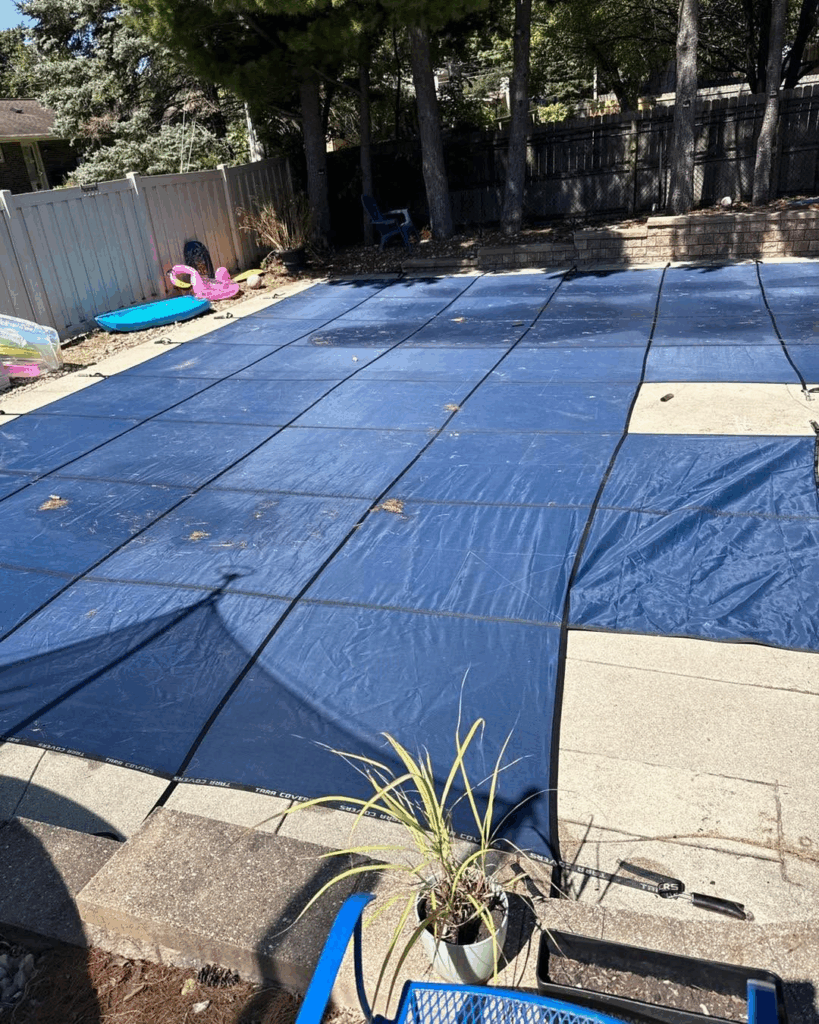
Choose a durable safety cover or heavy-duty winter cover. Anchor it securely with water bags or springs to keep out sunlight and debris.
Common Mistakes to Avoid
- Closing Too Early – Warm water encourages algae. Wait until it’s consistently below 18°C.
- Mixing Chemicals Together – Shock and algaecide cancel each other out if added at the same time. Always shock first, algaecide last.
- Not Blowing Out Lines – Simply draining isn’t enough. Water left underground will freeze and crack pipes.
- Using a Basic Tarp – Cheap tarps tear easily and don’t block sunlight, leaving you with a dirty, algae-filled pool come spring.
Discussion: DIY vs. Professional Closing
Closing a pool can be DIY-friendly if you’re comfortable with the steps. Many homeowners enjoy the savings and the hands-on approach.
However, hiring a professional has advantages:
- They use specialized blowers for plumbing.
- They spot issues you might miss.
- Many companies guarantee against freeze damage if they do the closing.
If your pool has complex features like attached spas, waterfalls, or multiple pumps, calling a pro is a smart move.
Frequently Asked Questions (FAQ)
1. What should I consider when I close my pool for winter?
The most critical considerations are water chemistry, water level, and winterizing the plumbing. Ensure the water is balanced and treated, the level is low enough to protect the skimmer, and every drop of water is blown out of the pipes and equipment to prevent freeze damage.
2. How do I choose the best winter cover for my pool?
There are three main types: standard winter covers (held by water bags), mesh safety covers (allow water through but block debris), and solid safety covers (held by anchors). For Canadian climates, safety covers are the superior choice as they are far more durable and provide a critical layer of safety.11
3. What are the advantages and disadvantages of closing my pool myself?
The main advantage of DIY is cost savings. The disadvantages are that it is time-consuming, requires specific tools (like a powerful shop-vac), and you assume all the risk. If you make a mistake and a pipe freezes, the repair costs will be far greater than what you saved.
Conclusion
Winterizing your pool may take a weekend, but it pays off all season long. By cleaning thoroughly, balancing water, draining equipment, and installing a secure cover, you protect your pool from the harshest Canadian weather.
With the right approach, you’ll save on repairs, simplify your spring opening, and enjoy peace of mind all winter long.