As we head into 2026, Canadian homeowners are rethinking how they improve their living spaces. The big-budget renovations of the past are being replaced with smaller, smarter, and more sustainable upgrades. The trend now is all about doing more with less – projects that save money, add style, and improve daily life without calling in a full team of contractors.
These top 10 DIY home hacks trending in 2026 prove that a little creativity and elbow grease can go a long way. Whether you want to refresh a tired kitchen, add smart storage, or cut energy bills, these projects are designed to give maximum impact on a modest budget.
The Top 10 DIY Home Hacks for 2026
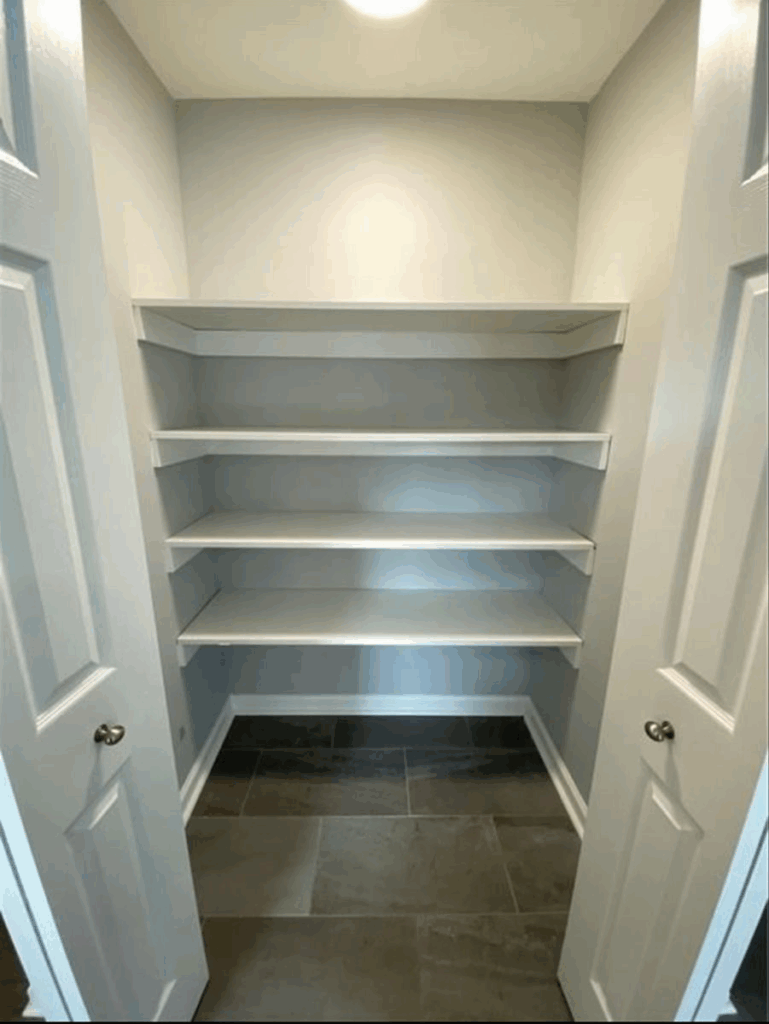
- Faux Built-In Shelves: Use affordable bookshelves as a base, then add trim and paint to match your walls. The result looks like custom cabinetry – without the custom price.
- Peel-and-Stick Surfaces: Modern peel-and-stick tiles and wallpapers are durable and stylish. Add a backsplash in the kitchen or create an accent wall in the bedroom for instant impact.
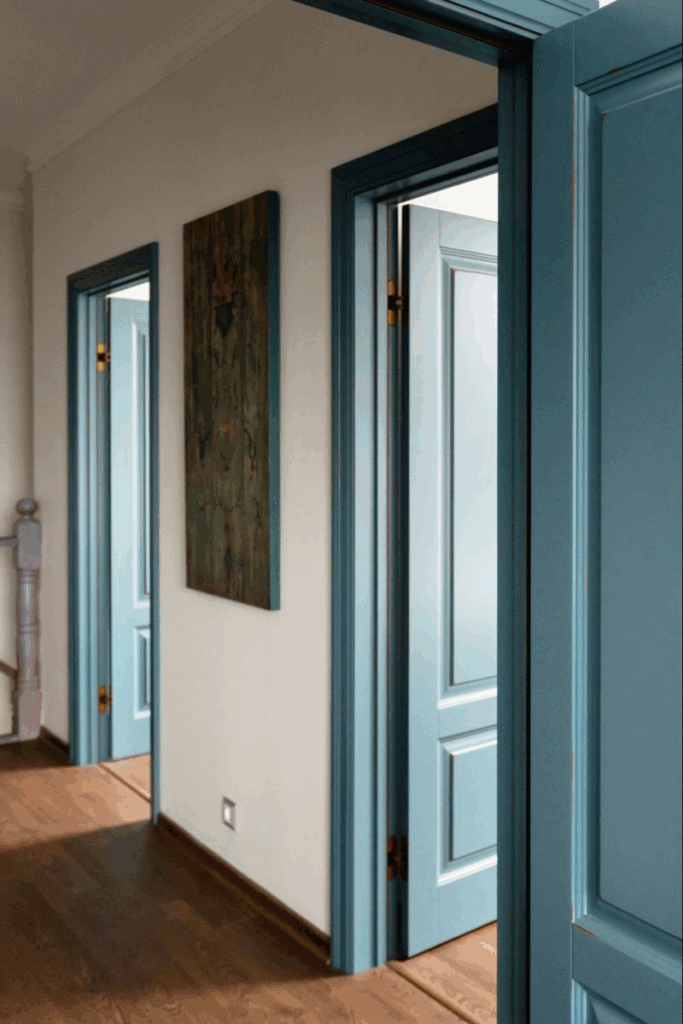
- Bold Interior Doors: Repaint an ordinary door in a dramatic colour like navy or black. It’s a simple change that makes any room feel modern.
- DIY Entryway “Mudroom”: Even small spaces can be organized. Combine a bench, wall hooks, and bins to manage coats, boots, and bags – perfect for Canadian winters.
- Smart LED Strip Lighting: Install app-controlled LED strips under cabinets, behind TVs, or around headboards. They add ambiance and function without wiring.
- Quick Hardware Swap: Replace outdated knobs, pulls, and handles with matte black or brushed gold. In 30 minutes, a kitchen or bathroom feels brand new.
- Countertop Refinishing Kits: Instead of replacing old laminate, use a DIY refinishing kit to create a stone-like surface. Durable, affordable, and stylish.
- Hidden Charging Station: Drill a hole in the back of a drawer, run cords inside, and create a tidy hub for phones and tablets. No more cord clutter on countertops.
- DIY Window Insulation Film: For drafty homes, clear plastic film creates an insulating barrier inside windows. It’s recommended by Natural Resources Canada for reducing heat loss.
- Upcycled Furniture: Refresh old furniture with chalk paint and new hardware. It’s sustainable, customizable, and gives you one-of-a-kind pieces.
Why These Hacks Matter for Canadian Homes
Taking on DIY projects comes with clear benefits:
- Designer Look on a Budget – Many hacks mimic high-end design trends at a fraction of the cost, especially as Canada has seen continuous increase in residential renovation costs recently. According to the Statistics Canada Residential Renovation Price Index (Q1 2025), renovation cost inflation continues to squeeze budgets, which makes smart, small hacks more appealing than large overhauls.
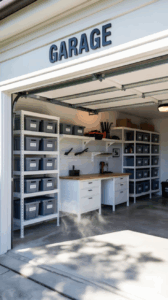
- More Function, Less Clutter – Projects like hidden charging stations or entryway benches make daily routines easier.
- Boost Resale Value – Small, modern updates help homes feel cared-for and up-to-date, which buyers notice.
- Sustainable Choices – Upcycling old furniture, using eco-friendly products, and improving energy efficiency all cut waste and lower utility bills.
Categories of 2026 DIY Home Hacks
The most popular hacks fall into three themes:
| Category | Goal | Example Hacks | Budget Range |
| Aesthetic Upgrades | Refresh the look of a space quickly | Peel-and-stick backsplash, bold interior doors, new hardware | $50 – $250 |
| Smart Organization | Reduce clutter, create storage | Faux built-ins, entryway mudroom, hidden charging stations | $75 – $300 |
| Energy Efficiency | Lower bills, improve comfort | Window insulation kits, smart LED lighting, draft sealing | $25 – $150 |
Common Mistakes to Avoid
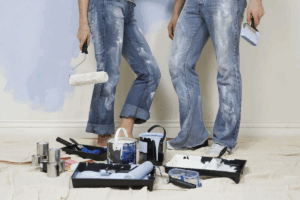
- Skipping the Prep Work: The success of any DIY project is 90% preparation. Failing to clean, sand, or prime a surface properly will lead to a poor-quality finish that won’t last. According to the EPA, proper surface preparation and cleaning of edges and joints are essential – not only for aesthetics but also for durability and safety, especially in older homes with potentially unsafe paint coatings.
- Using the Wrong Materials: Ensure the materials you choose are appropriate for the location. For example, use a moisture-resistant paint in a bathroom and exterior-grade hardware for your front door.
- Taking Inaccurate Measurements: Measure twice, cut once. This age-old advice is critical for any project that involves cutting materials, from trim for your faux built-ins to a new backsplash.
Discussion: Are DIY Hacks Just Temporary Fixes?
Some homeowners worry that hacks are quick fixes that won’t last. That’s true if they’re rushed or poorly done. But the 2026 trend leans toward durable, clever solutions. A well-executed mudroom bench, refinished countertop, or faux built-in shelves can add lasting style and value. The focus is less on “cheap tricks” and more on smart, sustainable improvements.
Frequently Asked Questions (FAQ)
1. What should I consider before trying one of the top 10 DIY home hacks?
First, assess your own DIY skill level and the time you have available. Start with a smaller, simpler hack like a hardware swap. Always read or watch multiple tutorials before you begin, and make sure you have all the necessary tools and materials on hand.
2. How do I choose the best hack for my skill level?
Beginner-friendly hacks include painting a door, swapping hardware, and installing peel-and-stick surfaces. Intermediate projects might include the DIY entryway or refinishing countertops. The faux built-ins would be for a more confident DIYer comfortable with measuring, cutting, and finishing.
3. What are the advantages and disadvantages of DIY home hacks vs. professional renovations?
The main advantages of hacks are their low cost, speed, and the satisfaction of doing it yourself. The disadvantages are that the results are dependent on your skill level and they may not be as durable or comprehensive as a professional renovation.
Conclusion
DIY hacks prove that Canadian homeowners don’t need big budgets to make big changes. The top 10 projects trending in 2026 combine style, organization, and energy savings – all with simple tools and affordable materials.
From faux built-ins to smart lighting, these ideas let you personalize your home, reduce clutter, and boost comfort. Pick one, roll up your sleeves, and start transforming your space today.